In reports, the walk is usually described as a 2.5-mile trek.
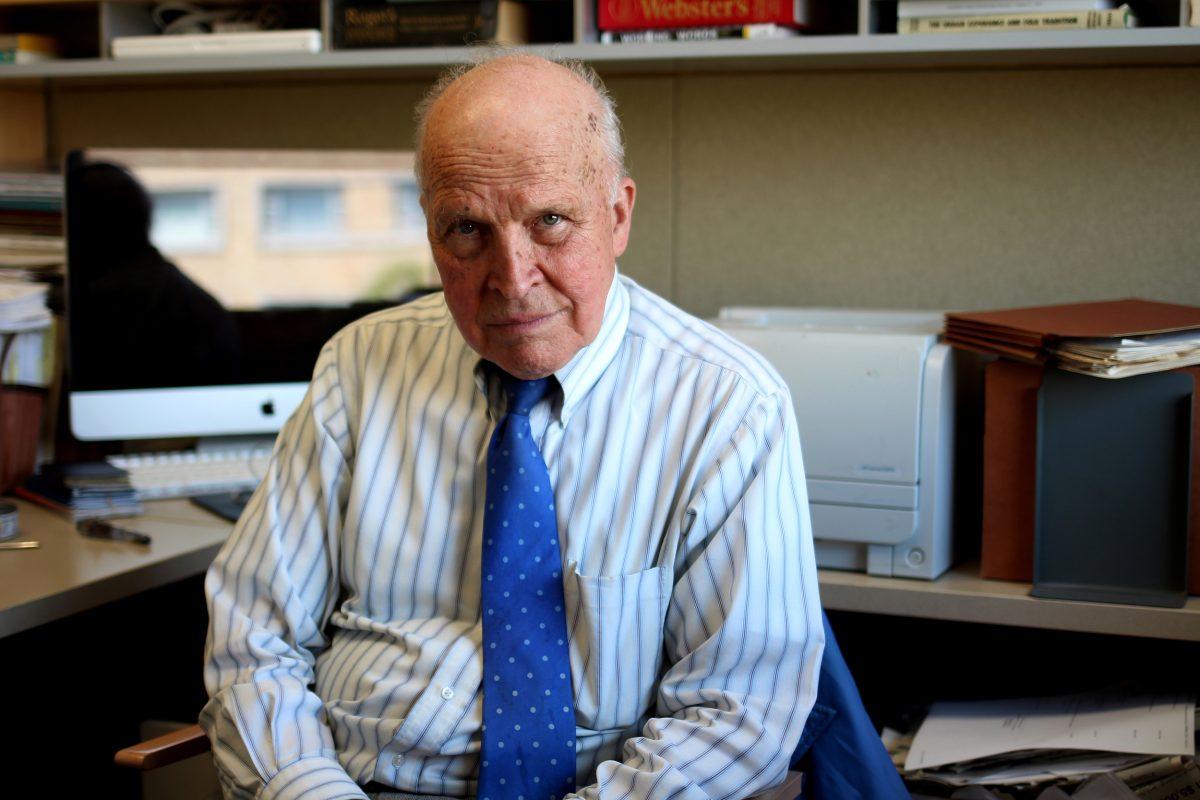
However, UT journalism professor Gene Burd does not have a GPS, nor does he use an iPhone to calculate the shortest distance from his apartment on Barton Springs Road to the Belo Center for New Media. He knows the streets as avenues for communication, not transportation, and chooses to take the long way around — to look at the City, note its changes, check all of the parking meters for loose change and stop for a chat with a lot attendant by the Capitol.
Story by Bryan RolliPhoto by Jane Claire Hervey
I'm starting this post on Friday afternoon in a note on my iPhone, sitting in the backseat of our van on the way from Fayetteville, Arkansas to Lawton,...
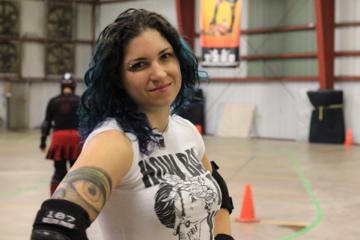
Starting at her elbow, a kaleidoscope of bright colors swirls upward to frame an inked replica of the Eye of Horus on the middle of her bicep. The Eye, an ancient Egyptian symbol for protection, royal...
Not everyday do I sit in the same room as Dan Rather. I watched him from two tables over. With my iPhone, I zoomed in on his face as he ate the same brunch I did (which he may have perhaps chosen from the same buffet table I did — cue the screams!), until I felt I had successfully captured enough photos of him for my invaluable archives, uniquely titled “Camera Roll.”
At South By Southwest, I attended a panel during the Interactive portion of the festival about Instagramming the News. The panel featured three professionals in photojournalism and photography technology: Dan Toffey, the Community Manager of Instagram, Associated Press Chief Photographer David Guttenfelder and Time Magazine’s Director of Photography, Kira Pollack. Toffey, Guttenfelder and Pollack covered a variety of topics concerning news-related posts on Instagram accounts. Toffey mainly talked about the general use of Instagram for photojournalism and how the company has seen this type of posting develop. Guttenfelder and Pollack focused on how the social media site has changed their respective publications’ use of photos and event coverage, as well as how Instagram has broadened their viewer platform. I gleaned many important tips from their presentation, however one fact hit me hard and has made a home at the forefront of my mind for many weeks now: Guttenfelder and Pollack both follow citizens in the U.S. and different countries — normal, everyday, not-so-prominent figures — to find out where the news is.
I didn’t see anything at first. I had been resting the entire weight of my body on the railing overlooking the bottom floor of The Mohawk, right above the stage. All of us lined up against the metal barrier — delirious and drooping in exhaustion — had become friends over the past couple of hours waiting to see Tyler, the Creator. We had stood there guarding our spots, sharing South by stories (who saw what band, which celebrity took a picture with who, etc.), exchanging phones and numbers, taking turns to go to the restroom, buy drinks and eat hot dogs. I was tired — already on my SXSW Day 6 — and I was hardly paying attention to the band anymore. I looked out onto the street. Mindlessly.
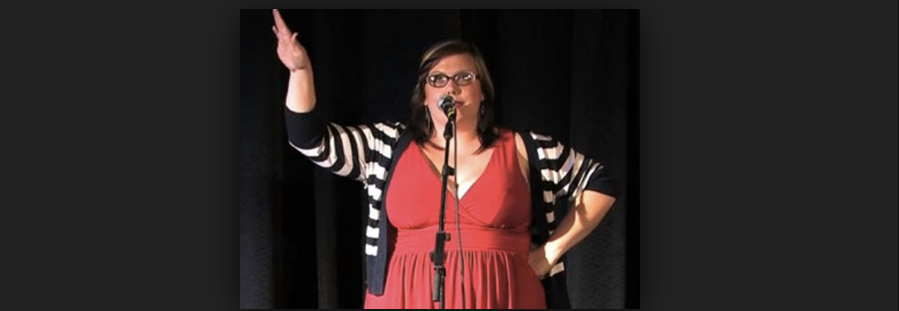
“I mean, if you’re a dick, I’m going to call you a dick,” she says and laughs a big, bright red smile that pays homage to the scarlet tones of her dress. The room, although at first hesitant, follows suit, because this place feels safe.